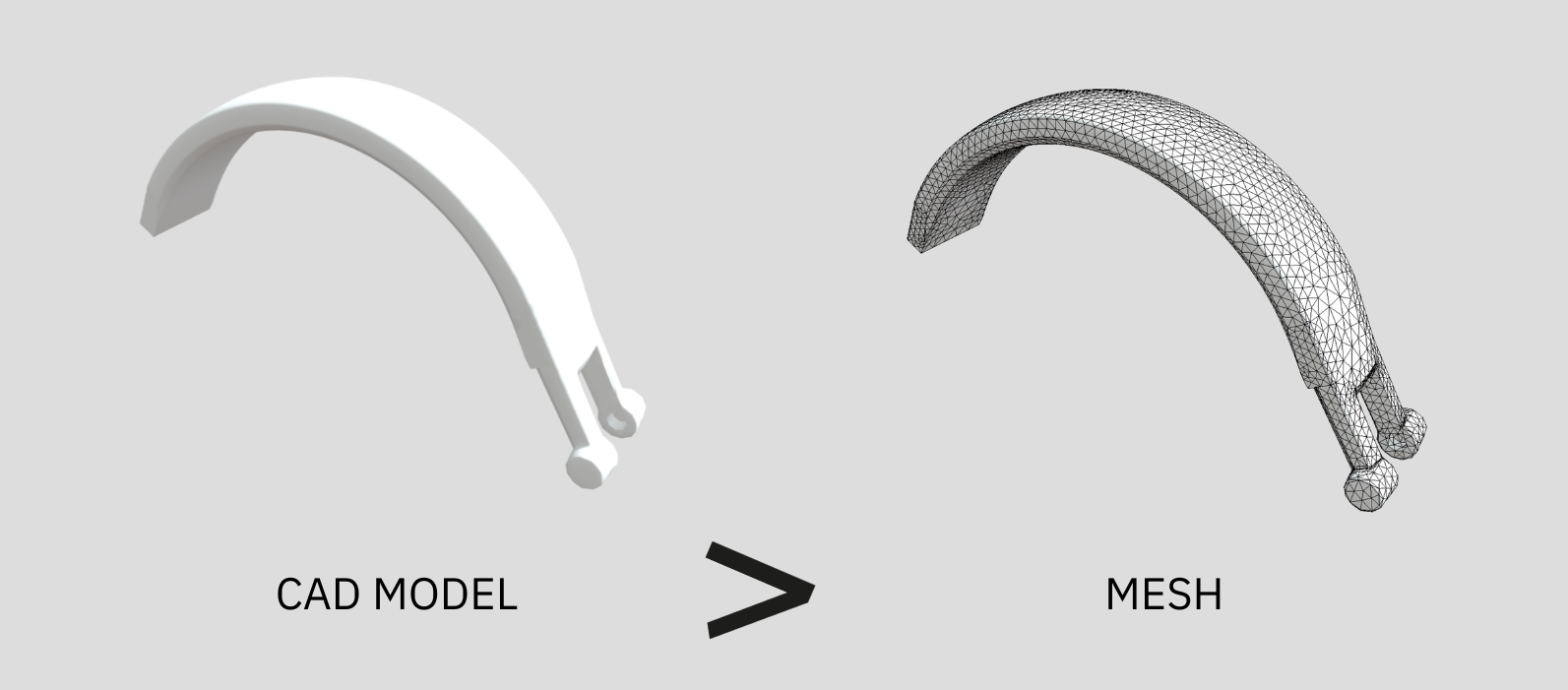
Meshing remains one of the most time-consuming steps in simulation workflows – Meshing AI aims to make it scalable.
Digital simulation as the foundation of modern product development
Before a product is built, it is now first tested digitally.
Simulation enables early evaluation of component performance, including load resistance, deformation, and failure. This allows problems to be identified without having to manufacture physical prototypes.
For these simulations to work, a 3D model is divided into many small elements.
This so-called mesh forms the basis of every numerical calculation.
It significantly determines how precise and stable the simulation results are.
The bottleneck in the process
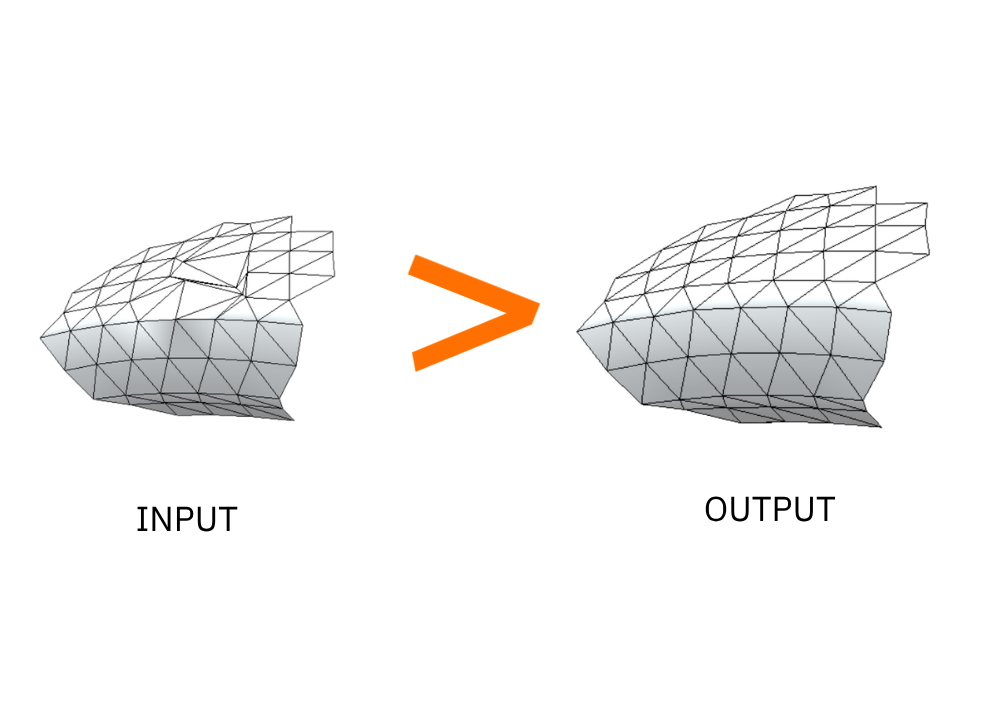
While modern meshing tools can produce initial discretizations, achieving meshes that meet the quality requirements for reliable simulations
still requires extensive manual refinement. This process depends heavily on expert knowledge, is time-consuming,
and does not scale well across projects.
The consequences are longer development cycles, inconsistent quality, and increased costs.
Simulation and meshing are central components across industries – from the automotive and
aerospace industries to mechanical engineering and the energy sector.
Meshing AI
Meshing AI automates the generation of midsurfaces for finite element simulations directly from CAD data,
addressing one of the most persistent challenges in simulation-driven product development.
Our approach extends existing meshing workflows with a learning-based optimization layer designed to address this exact challenge.
Starting from massive CAD-related mesh datasets, our Meshing AI explores automated generation of high-quality, simulation-ready structures.
This significantly reduces the need for manual refinement while ensuring consistent quality across different geometries.
Technological approach
Technologically, the system combines established engineering methods with modern machine learning techniques.
Mesh structures are represented as graphs and encoded using a Graph Convolutional Autoencoder, which learns compact latent
representations capturing both geometric and topological properties.
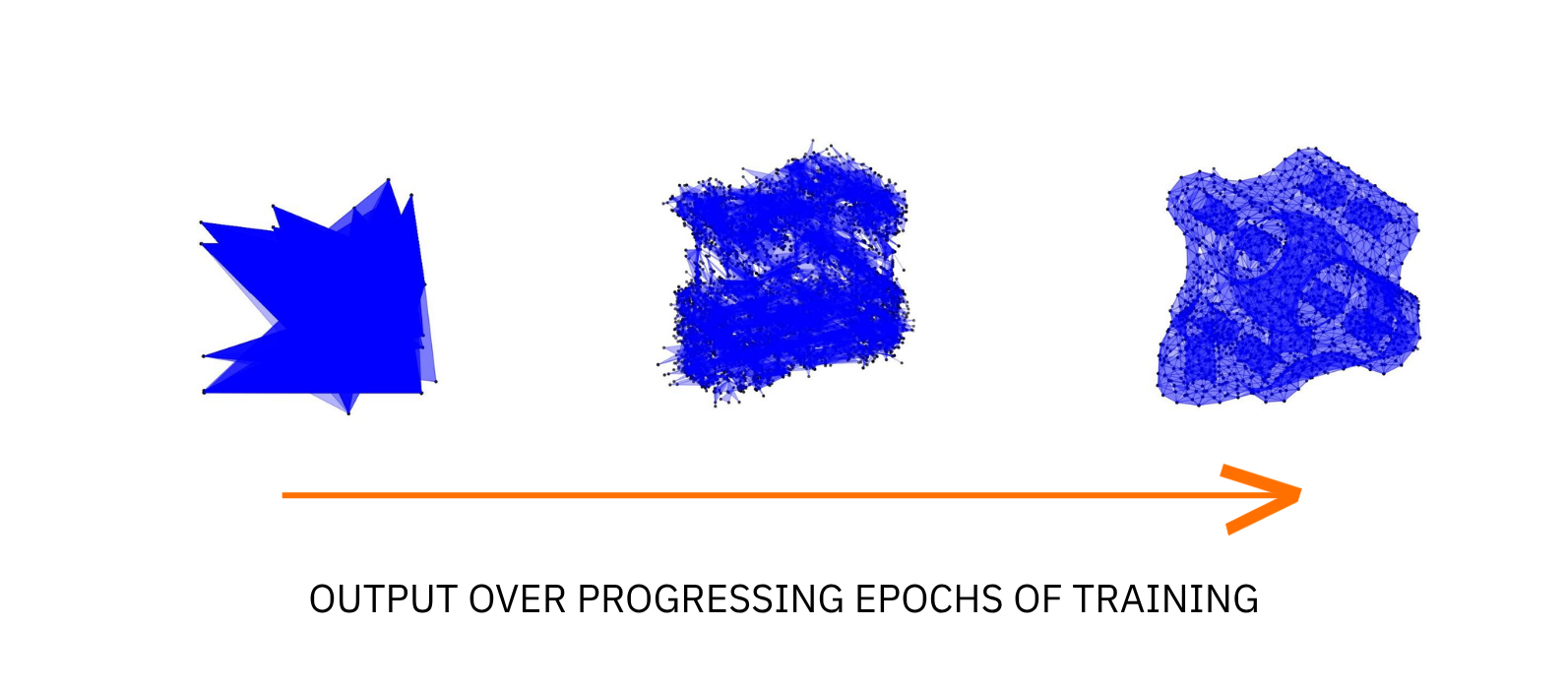
Building on these embeddings, a Transformer-based model refines the meshes by learning from high-quality reference data and
transferring this knowledge to new geometries. In this way, implicit engineering expertise is translated into a scalable,
data-driven system.
Results and potential
The resulting meshes were evaluated using both established machine learning metrics and simulation-relevant
quality criteria, ensuring that improvements are not only statistically measurable but also relevant in engineering contexts.
Initial evaluations suggest consistent behavior across different geometries and indicate potential to accelerate the transition
from CAD to simulation.
The project has been recognized as in-house R&D by the German BSFZ (Certification Body for Research Allowance),
underlining its innovation focus at the intersection of engineering and machine learning. Meshing AI highlights how
data-driven approaches can support core engineering workflows by reducing manual effort, improving consistency, and enabling
more scalable simulation processes.
What’s next?
After basic research and initial work, the technology is being tested and further developed in real-world applications.